
As a property owner or manager in Australia, ensuring a safe and healthy environment is your highest priority. However, a hidden danger that can compromise both your investment and your tenants' well-being is methamphetamine contamination. Often invisible, the residue left behind from meth production or even heavy use can permeate a property, leading to significant health risks and costly remediation. Recognising the warning signs early is crucial, as this contamination doesn't just disappear when tenants leave; it clings to surfaces, gets absorbed into building materials, and can linger for years, posing a serious threat to future occupants.
This comprehensive guide details the top five signs your property may need meth testing, providing actionable insights to help you identify potential hazards before they escalate. From subtle chemical odours and strange surface stains to unusual tenant behaviour, understanding these indicators is the first step in safeguarding your asset. We will delve into what each sign means, what specific evidence to look for, and the immediate steps you should take, empowering you to act decisively and responsibly. Incorporating these checks into your routine inspections is a vital practice. To further protect your investment and tenants, a comprehensive ultimate rental property inspection checklist is an invaluable tool for ensuring overall safety and cleanliness.
By learning to spot these red flags, you can better protect the health of your occupants, avoid significant financial liability, and maintain the value of your property. This article provides the practical knowledge needed to identify potential contamination and outlines the necessary follow-up actions, including when to engage professional occupational hygiene services for definitive testing and remediation advice.
1. Persistent Chemical Odours and Unusual Smells
One of the most immediate and telling indicators that a property might require meth testing is the presence of strange, persistent chemical odours. Unlike common household smells from cooking or cleaning, these odours are sharp, unnatural, and often difficult to identify. They are the direct result of the volatile organic compounds (VOCs) and other chemicals used during the illicit manufacture of methamphetamine. These substances permeate porous surfaces and can linger long after a meth lab has been dismantled, making this olfactory clue a critical first sign of potential contamination.
What to Look (and Smell) For
The human nose is an incredibly sensitive instrument, and when it comes to detecting potential meth contamination, it's an invaluable first line of defence. The smells associated with meth production are distinct and often described in several ways. Being able to recognise these specific scents is a key part of identifying a high-risk property.
- Ammonia or Cat Urine: A strong, sharp smell similar to ammonia-based cleaners or, more commonly, cat urine is a significant red flag. This odour is associated with anhydrous ammonia, a key ingredient in certain meth production methods.
- Solvent or Acetone-like: Think of the smell of nail polish remover or paint thinner. These sharp, acrid smells come from solvents like acetone, ether, and toluene used to extract and purify the drug.
- Vinegar or Acidic: A sour, vinegar-like smell can indicate the use of acetic anhydride or other acidic chemicals during the synthesis process.
- Burnt or Sweet Chemical: Some describe a cloyingly sweet, almost metallic or burnt plastic smell, which can be a byproduct of the chemical reactions involved in "cooking" meth.
Key Insight: These odours are not just unpleasant; they are warnings. They signify the presence of airborne chemical residues that can pose significant health risks. The persistence of these smells, especially after attempts to ventilate the area, is a strong indicator that the contamination has deeply penetrated building materials like plasterboard, carpets, and insulation.
Real-World Scenarios and Immediate Actions
Consider a property manager inspecting a recently vacated rental unit. Despite the unit being professionally cleaned, a faint but persistent cat urine-like smell lingers in the master bedroom closet and ensuite. There's no evidence of pets. This scenario is a classic example where the odour is the primary clue pointing towards potential meth residue contamination. Similarly, a commercial building owner might receive complaints from tenants about intermittent chemical smells emanating from the HVAC system, suggesting a contamination source somewhere in the building.
If you encounter such odours, it's crucial to act methodically and prioritise safety.
- Trust Your Senses: Do not dismiss an unusual smell. It's often the first and only early sign of a serious problem.
- Pinpoint the Source: Try to identify where the odour is strongest. This helps narrow down the potential location of the contamination for professional testers.
- Document Everything: Note the type of smell (e.g., ammonia, solvent), its location, and its intensity. This information is vital for the hygienists who will conduct the testing.
- Ventilate Cautiously: While airing out the property might seem like a good idea, be mindful. If the smell returns quickly after closing windows, it confirms the source is persistent and embedded.
- Do Not Disturb: Avoid intensive cleaning with harsh chemicals like bleach, as this can react with meth residues to create even more toxic compounds.
- Seek Professional Assessment: The presence of these odours warrants a professional response. Engaging specialists for comprehensive air quality tests and surface sampling is the definitive next step. To understand the full scope of professional services available, you can explore detailed information about comprehensive air quality tests and assessments. This is the only way to confirm the presence and concentration of methamphetamine residue and ensure the property is safe for occupation.
2. Visible Stains, Discoloration, and Residue on Surfaces
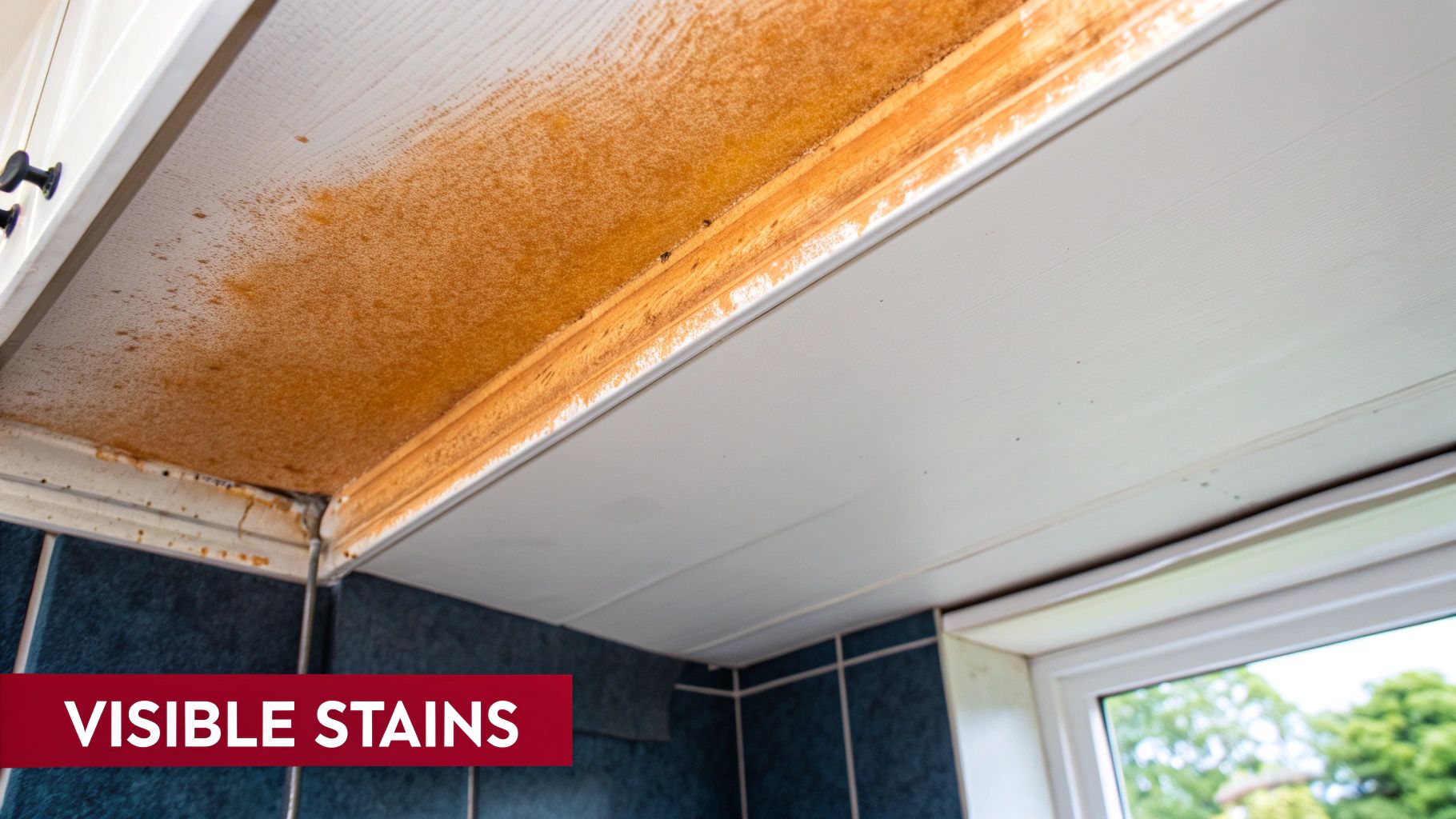
Beyond what you can smell, one of the most compelling visual clues pointing to potential meth contamination is the appearance of unusual stains, discolouration, and residues on various surfaces. These are not ordinary household marks from spills or wear and tear; they are the physical remnants of the hazardous chemicals used in methamphetamine production. The "cooking" process releases vapours and aerosols that condense on cooler surfaces, leaving behind distinct evidence on walls, ceilings, fixtures, and floors that strongly suggests the property requires professional meth testing.
What to Look For
Identifying these visual indicators requires a keen eye and an understanding of what sets them apart from common property issues like water damage or mould. The stains left by meth production are chemical in nature and often present in specific patterns and colours. Knowing these signs is crucial when assessing whether your property is at risk.
- Distinct Colouring: Look for stains that are reddish-brown, orange, yellow, or even a dark brown hue. These colours are typically associated with iodine, phosphorous, and other chemical byproducts solidifying on surfaces.
- Location and Concentration: Stains are often concentrated in "cook" areas. Pay close attention to kitchens, bathrooms, laundry rooms, sheds, or garages where water and ventilation access are readily available. You may see significant discolouration on the ceiling directly above a stovetop or in patches on walls near vents.
- Surface Damage and Residue: The chemicals used are highly corrosive. Look for etching on glass surfaces, corrosion on metal fixtures like taps, light fittings, and door handles, and blueish discolouration around sink drains and toilets. A fine, powdery residue might also be present on benchtops and windowsills.
- Sticky or Oily Film: A less obvious sign is a sticky, yellowish-brown film on surfaces, especially kitchen cabinets, rangehoods, and walls. This residue can attract dust and dirt, making it appear grimy, but it is a direct result of chemical vapours settling.
Key Insight: Unlike mould, which often has a fuzzy texture and spreads from a moisture source, meth-related stains are typically chemical burns or deposits. They won't wipe away easily and may appear alongside other signs of corrosion and decay, painting a clear picture of illicit chemical activity.
Real-World Scenarios and Immediate Actions
Imagine a property manager conducting a final inspection on a rental. They notice extensive, bright orange staining across the kitchen ceiling and on the walls near the extractor fan. The property's previous history is unknown. This is a classic indicator that the area may have been used for meth production. In another scenario, a facilities manager for a commercial building notices that metal fire sprinkler heads in one particular office suite are unusually corroded compared to others in the building, another subtle but significant red flag.
If you observe these types of stains and residues, a systematic and cautious approach is essential.
- Document Meticulously: Take high-quality photographs of every stain, area of discolouration, and corroded fixture. Note their exact location, size, and colour. This visual evidence is invaluable for the testing professionals.
- Avoid Contact: Do not touch or attempt to clean any suspicious stains or residues. These substances are hazardous and can be absorbed through the skin or become airborne if disturbed, posing a direct health risk.
- Differentiate from Other Damage: Make a note if the stains look different from typical water damage (which usually has a defined "tide line") or mould (which often appears as spotted clusters).
- Seal Off the Area: If possible, limit access to the most heavily affected areas to prevent accidental exposure, especially for other staff, tenants, or family members.
- Engage Certified Professionals: The only way to confirm the source of these stains is through professional testing. A certified occupational hygienist will take surface samples (swabs or wipes) from the stained areas and send them to a laboratory for analysis. This process will confirm the presence of methamphetamine and determine the level of contamination, which is the first step in remediation and proper hazardous waste management. This ensures the property is handled safely and brought back to a habitable state according to Australian guidelines.
3. Damaged or Corroded Plumbing, Fixtures, and Metal Components
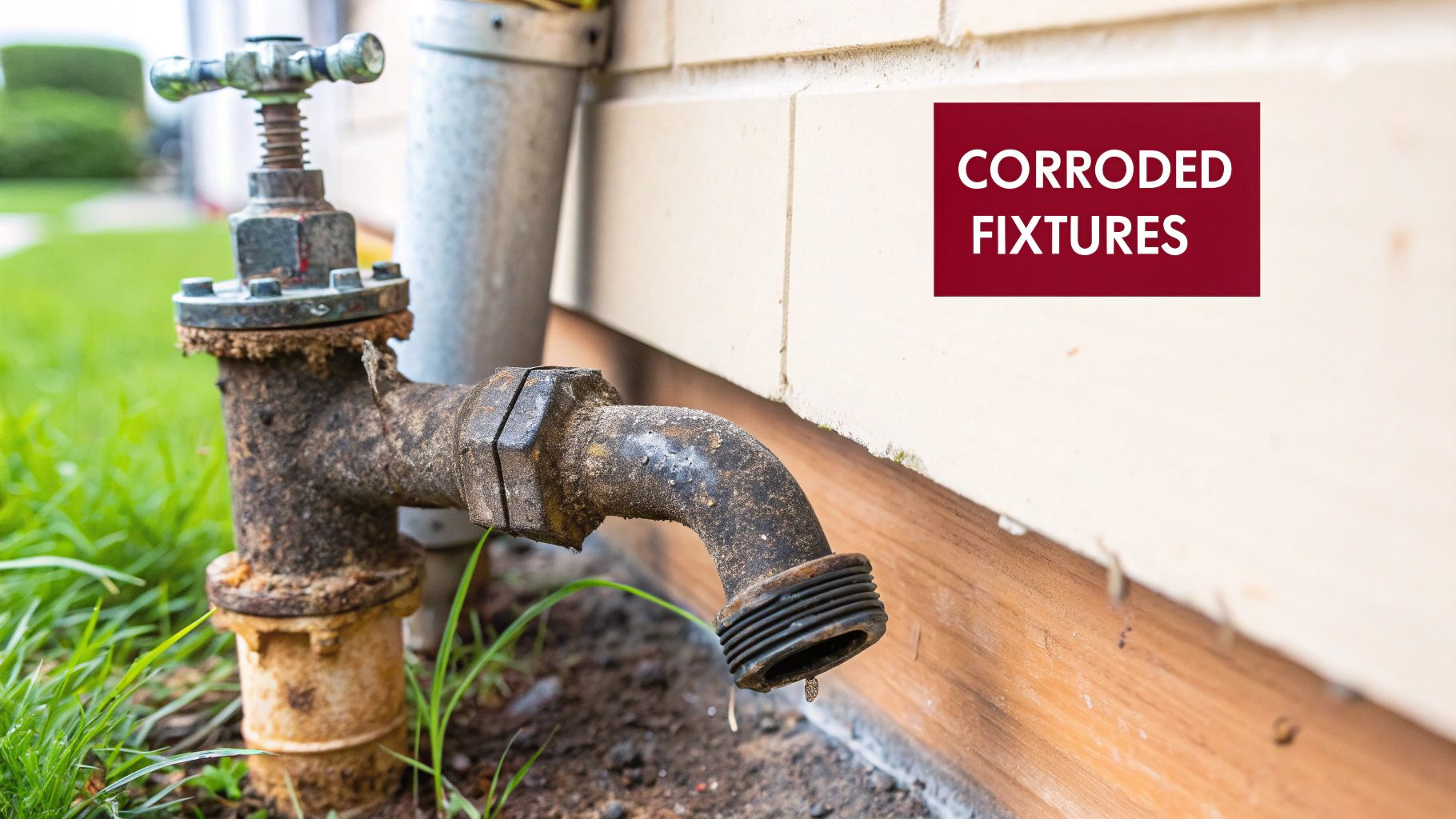
Beyond visible stains and lingering smells, a more subtle yet destructive indicator of meth manufacturing is the premature and accelerated corrosion of metal surfaces. The highly corrosive chemicals used in meth production, such as acids, solvents, and anhydrous ammonia, create a toxic atmospheric environment. These vapours settle on and react with plumbing pipes, sink fixtures, light fittings, and even electrical components, causing them to rust, tarnish, and break down at an alarmingly fast rate. This unusual level of deterioration, inconsistent with the property's age or normal wear and tear, is a significant physical sign that points directly to one of the top five signs your property may need meth testing.
What to Look For
Inspecting for unusual corrosion requires a keen eye for detail and an understanding of what constitutes normal aging versus chemically induced decay. The damage is often concentrated in areas where a clandestine lab might have been set up, such as kitchens, bathrooms, laundries, sheds, and garages, due to their access to water and ventilation.
- Blue-Green Stains on Fixtures: Look for distinctive blue-green discolouration on copper pipes, brass fittings, taps, and sink drains. This is often a tell-tale sign of a reaction with acidic compounds.
- Excessive Rust and Pitting: Steel components, including sink basins, light fixtures, vent covers, and door hinges, may show severe rust, pitting, or flaking that is far more advanced than would be expected.
- Corroded Aluminium: Pay attention to aluminium items like window frames, screen doors, and HVAC components. The chemicals can cause them to become dull, pitted, or covered in a white, powdery residue.
- Damaged Electrical Components: Inspect light switches, power outlets, and fuse boxes. Corrosive fumes can seep into these areas, causing contacts to corrode, which presents a serious fire hazard.
Key Insight: This type of damage is not merely cosmetic. It indicates that corrosive substances have been airborne and have permeated the property. If these chemicals are strong enough to eat away at metal, their residue on walls, floors, and in the air poses a substantial health risk to anyone occupying the space.
Real-World Scenarios and Immediate Actions
Imagine a property maintenance contractor called to a two-year-old commercial unit to fix a leaking tap. Upon inspection, they discover that not only is the tap corroded, but all the plumbing fixtures under the kitchen sink are severely rusted and weakened, a condition they would expect to see in a 20-year-old building. In another case, an electrician performing routine safety checks in a mobile home notes that metal framing and wiring conduits show extreme corrosion, far worse than in neighbouring units of the same age and model. These scenarios highlight how expert tradespeople are often the first to spot corrosion that is inconsistent with a property's history, raising a critical red flag for potential meth contamination.
If you encounter premature or unusual corrosion, a structured and cautious response is essential.
- Trust Your Assessment: Do not dismiss corrosion as simply a maintenance issue, especially if it seems excessive for the building's age.
- Pinpoint the Location: Note where the corrosion is most severe. Is it localised to one room, like a bathroom or shed, or is it widespread? This can help identify the primary "cook" site.
- Document Everything: Take high-quality photographs of all corroded fixtures, pipes, and fittings. Your notes should detail the location and extent of the damage.
- Consult Professionals: Ask your plumber, electrician, or maintenance contractor for their professional opinion on whether the corrosion is normal. Their experience can provide valuable context.
- Do Not Attempt Repairs: Avoid replacing damaged fixtures before the property has been professionally tested. Disturbing these materials can release trapped chemical residues, and new components will likely begin to corrode if the underlying contamination is not remediated.
- Seek Professional Assessment: The definitive step is to engage a certified occupational hygienist. They can perform surface sampling on and around the corroded areas to confirm the presence of meth residue. This testing is the only way to verify the cause of the damage and determine the necessary steps for remediation to ensure the property is safe.
4. Excessive Pest Infestation or Dead Animals and Insects
An often-overlooked but powerful indicator of potential methamphetamine contamination is an unusual and severe pest problem. Meth labs create an environment highly attractive to pests due to poor sanitation, accumulated waste, and the presence of chemical byproducts. Furthermore, the toxic nature of the chemicals used in production can lead to the widespread death of insects and small animals, leaving behind a grim trail of evidence. A property with a persistent, unexplainable infestation or an abnormal number of dead creatures should be considered a high-risk environment that warrants further investigation.
What to Look For
The presence of pests is not uncommon in properties, but the nature and scale of the problem are what separate a typical nuisance from a major red flag for meth contamination. The combination of squalid living conditions and chemical residues creates a unique signature that property managers and owners must learn to recognise.
- Unusually Severe Infestations: Look for infestations of cockroaches, rodents, and flies that seem disproportionate to the property's general condition. These pests are drawn to the food waste, garbage, and overall lack of hygiene common in illicit lab environments.
- Concentrated Pest Activity: Pay close attention to where the pests are most active. If an infestation is heavily concentrated in a specific area like a garage, shed, basement, or a particular room, it could pinpoint the former manufacturing site.
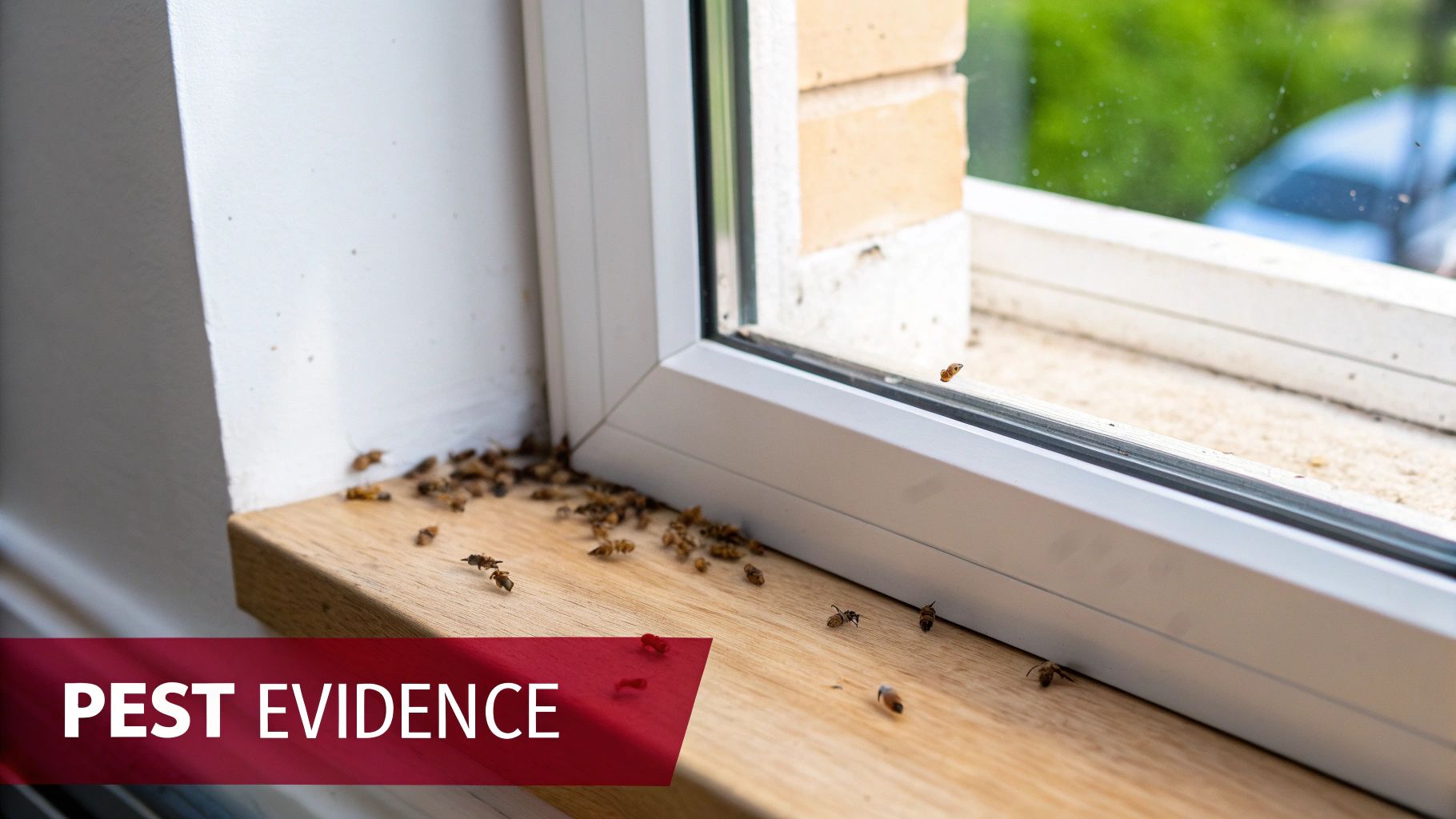
- Large Numbers of Dead Insects: A significant sign is finding large quantities of dead insects on window sills, floors, and inside light fixtures. The toxic fumes and chemical residues from meth production are lethal to insects, causing them to die in large numbers.
- Ineffective Pest Control: A history of repeated, yet unsuccessful, professional pest control treatments is a major warning. If standard extermination methods fail to resolve the issue, it suggests an underlying environmental factor is continually attracting or sustaining the pest population, which could be related to the chemical contamination itself.
Key Insight: The dual presence of a thriving pest population alongside numerous dead insects creates a compelling case for suspicion. This paradox suggests an environment that is both squalid enough to attract pests and toxic enough to kill them, a hallmark of many clandestine meth labs.
Real-World Scenarios and Immediate Actions
Imagine a property owner who has just evicted tenants from a residential home. During the clean-out, they discover a severe cockroach problem in the kitchen and bathrooms, along with an unusually high number of dead flies and spiders throughout the house. Despite hiring a pest control company twice, the cockroach problem quickly returns. This scenario, where the infestation is stubborn and accompanied by widespread dead insects, is a classic sign that points directly to the need for meth testing.
If you encounter signs of an excessive or unusual pest problem, a structured and cautious approach is essential to confirm the cause and ensure safety.
- Document the Evidence: Take detailed photographs and videos of the pest activity, both live and dead. Note the specific locations and the scale of the infestation.
- Map the Activity: Create a simple floor plan and mark the areas with the highest concentration of pests. This can help professional testers identify priority areas for sampling.
- Review Property History: Check records for past pest control treatments. If the problem is chronic and has resisted professional intervention, this is valuable information.
- Prioritise Safety: Do not handle dead animals or insects without appropriate personal protective equipment (PPE), such as gloves and a mask, as they may be contaminated with hazardous chemical residues.
- Correlate with Other Signs: Consider if the pest problem coincides with other indicators from this list, such as strange odours, visible stains, or unusual rubbish. The more signs that are present, the higher the likelihood of contamination.
- Engage Professionals: A severe, unexplained pest issue is more than just a nuisance; it's a potential biohazard and a strong sign your property may need meth testing. Contacting a professional hygienist to conduct surface and air sampling is the only way to definitively determine if meth contamination is the root cause and ensure the property is safe for future occupants.
5. Unusual Property History, Behavioural Indicators, and Occupant Activity Patterns
While physical evidence like stains and smells are direct signs of contamination, a property's history and the observable behaviour of its occupants provide crucial contextual clues. These indirect indicators can be just as telling and often represent the earliest warning signs of a potential meth lab. Illicit drug manufacturing is a clandestine activity, and the patterns associated with it, such as secretive tenants, unusual security, and a high-risk property background, are significant red flags that warrant further investigation, forming a key part of the top five signs your property may need meth testing.
What to Look For
Investigating a property's background and observing occupant behaviour requires a different kind of diligence compared to looking for physical signs. It involves paying attention to patterns and anomalies that deviate from normal residential or commercial use. These clues can be subtle but are powerful indicators when considered together.
- Frequent Short-Term Visitors: Pay attention to a high volume of traffic, with people arriving and leaving at all hours, often staying for very short periods. This pattern is inconsistent with typical residential activity and can signal drug-related operations.
- Excessive Security and Secrecy: Occupants may install unusual security measures like extensive CCTV cameras, blackout curtains on all windows, or reinforced doors. A general reluctance to allow access for inspections, maintenance, or landlord visits is also a major warning sign.
- Irregular Activity Patterns: Noticeable activity late at night or at odd hours, including people carrying unusual containers, chemical drums, or equipment in and out of the property, is highly suspicious.
- Problematic Property History: A background check on the property's address might reveal frequent police visits, prior drug-related arrests, or a history of rapid ownership changes or foreclosures. These historical data points significantly increase the risk profile of the property.
Key Insight: These behavioural and historical clues are about pattern recognition. A single odd occurrence may be explainable, but a combination of these factors paints a compelling picture of high-risk activity. For property managers and potential buyers, this due diligence is not about being intrusive; it's about identifying potential liabilities and ensuring the safety of future occupants.
Real-World Scenarios and Immediate Actions
Imagine a real estate agent showing a property that has been on and off the market several times in the last two years. During the viewing, they notice that all windows are blacked out with foil and blankets, and the current seller is unusually resistant to a pre-purchase building inspection. This combination of a volatile sales history and secretive behaviour should immediately trigger concerns about what might have occurred within the property's walls.
If you encounter these contextual red flags, a structured and cautious approach is essential.
- Trust Your Instincts: If the situation feels off or the occupants' behaviour seems suspicious, do not ignore it. These feelings are often based on valid observations.
- Conduct Due diligence: Perform a public records search on the property address. Look for police reports, news articles, or inclusion on any government-maintained contaminated site registries.
- Speak with Neighbours: Long-term neighbours can be an invaluable source of information regarding previous tenant behaviour, unusual traffic, or any law enforcement activity they may have witnessed.
- Review Property Disclosures: Carefully examine any seller disclosure statements for mentions of illicit drug activity or known contamination. Be aware that not all sellers are forthcoming or may be unaware of the issue themselves.
- Prioritise Professional Testing: Based on these risk factors alone, commissioning professional testing is a prudent step, even if no physical signs are present. Contamination can be invisible and odourless, making expert analysis the only way to be certain. A professional assessment is vital for anyone concerned about the history of a building and ensures peace of mind for all involved. To learn more about this process, you can find comprehensive information about meth testing for residential properties. This is the definitive action to confirm or rule out contamination and protect your investment and health.
From Suspicion to Certainty: Your Action Plan for Meth Testing and Remediation
Navigating the aftermath of potential property contamination can feel overwhelming, but by understanding the key indicators, you have already taken the most critical first step. Throughout this guide, we have explored the top five signs your property may need meth testing, moving from the immediately obvious to the more subtle behavioural cues. From the pungent, cat-urine-like chemical odours and the tell-tale yellow-brown stains on walls, to corroded plumbing and an unusual influx of pests, each sign serves as a crucial piece of a larger puzzle.
These indicators are not just isolated issues; they are interconnected warnings. The corrosive chemicals used in methamphetamine production directly lead to damaged fixtures, while the waste and poor living conditions attract insects and vermin. Similarly, the strange occupant behaviours and suspicious history often precede the discovery of the physical evidence left behind. Recognising these patterns empowers you, as a property manager, owner, or industry professional, to shift from a reactive stance to a proactive one, safeguarding your assets and the health of future occupants.
Key Takeaways and Your Path Forward
The core lesson is one of vigilance and methodical action. Suspicion alone is not confirmation, but it is an undeniable call for a structured, professional response. Panic can lead to costly mistakes, while ignoring the signs can result in severe health consequences, legal liabilities, and significant financial loss.
Your action plan should now be clear:
- Document Everything: Take detailed notes and photographs of any suspicious signs without disturbing the potential contamination. This documentation is vital for your records and for briefing professionals.
- Do Not Attempt DIY Cleaning: Standard cleaning products are ineffective against methamphetamine residue and can inadvertently spread the contamination, making remediation more complex and expensive.
- Prioritise Safety: Ensure the property is vacated and restrict access to prevent further exposure until a professional assessment can be completed.
- Engage Certified Experts: The only way to achieve certainty is through scientific analysis. Contact a qualified occupational hygiene firm to conduct compliant testing according to Australian standards.
The Value of Professional Assessment
Engaging a professional service is not merely about getting a "yes" or "no" answer. It is about understanding the full scope of the problem. A comprehensive assessment will determine the concentration of meth residue, identify the specific areas of contamination, and distinguish between residue from personal use and the more hazardous by-products of manufacturing. This level of detail is fundamental to developing a targeted and cost-effective remediation plan that ensures the property is returned to a safe, habitable state. While the initial indicators are visual and olfactory, the final verdict must be scientific. If suspicions of meth contamination arise, consulting a guide on professional indoor air quality testing can help you understand the necessary diagnostic steps to ensure a healthy environment.
Ultimately, mastering the ability to identify these top five signs your property may need meth testing is an essential skill in modern property management. It protects your investment's value, demonstrates due diligence, and, most importantly, upholds your responsibility to provide a safe environment for tenants and workers. By transforming suspicion into certainty through professional testing, you close the chapter on a potential hazard and confidently restore the integrity of your property.
Don't let uncertainty put your property or people at risk. If you have observed any of the signs discussed, contact the certified occupational hygienists at Anitech Ltd Pty for confidential and compliant meth testing services across Australia. Visit Anitech Ltd Pty to schedule an assessment and get the definitive answers you need to move forward with confidence.


